All Categories
Featured

Lowering Total CPA With Data
Table of Contents
This has actually been the technique favoured by Silicon Valley for lots of years and it's responsible for some of the biggest start-ups and tech names around the world, consisting of Facebook, Twitter, Airbnb, PayPal and Dropbox. As Neil Patel discusses in his outstanding break down of growth hacking on the QuickSprout blog site: "In the very first stage of a startup you don't require somebody to 'build and manage a marketing team' or 'manage outside suppliers' or even 'establish a strategic marketing plan to attain corporate objectives' or much of the other things that marketers are entrusted with doing.
He created the phrase to separate from the niche type of marketing start-ups need in their very first phase from the much wider world of digital marketing. Throughout the first stage, a start-up only cares about development and protecting investment. Profit doesn't even matter at this moment and ignore building up any kind of money reserve for a rainy day - all income goes right back into business and maximising development as quickly as possible.
A lot of services need to stabilize development with revenue, costs, capital, return on financial investment and a variety of financial performance indicators. Start-ups may be the exception where development brings in financial investment, which fuels additional growth and yet more financial investment and a select couple of ventures establish themselves as market leaders. The growth hacking mantra of Silicon Valley isn't all it's broken up to be.
It's a problem increasingly explained by researchers, economic experts and a growing variety of business owners that we need more start-ups that don't prioritise development above all else. There are issues at the other end of the scale, too. Companies that do not prioritise development sufficient reach income, income and profit ceilings.
[target2:anchor_exact1]There's no escaping the truth that. This doesn't indicate you need to prioritise development over every other aspect of your company - all of it depends on what your objectives are. Are you looking to construct the greatest brand possible and offer it at the peak of its worth? Or are you identified to achieve long-lasting, sustainable growth so that your company can end up being a market leader and stay there for decades to come? Growth marketing is always strategy-first.
Scaling Digital Growth Success Via New Tactics
This not only lines up everyone's expectations of growth (especially stakeholders), however it most importantly helps marketing leaders assist their group in the best instructions towards a common goal. Ultimately, development requires to be the ways to whatever end your organisation is working towards. In that sense, it needs to be sustainable, lined up with your values, and not at chances with your wider objectives.
I have actually broken these examples, strategies and hacks into the following 3 areas: How Harry's, Slack, Stripe & more usage development marketing. Typical growth marketing strategies used by start-ups & brands. Secret strategies to apply growth marketing. These should inform you all the insight and motivation you require to step up your development marketing game and use similar strategies to your own endeavors.
Here, we see how little organizations turned themselves into market giants, start-ups disrupted whole markets and developed names future-proofed their position in the digital age. Harry's is the kind of growth marketing story smaller sized brands dream of.
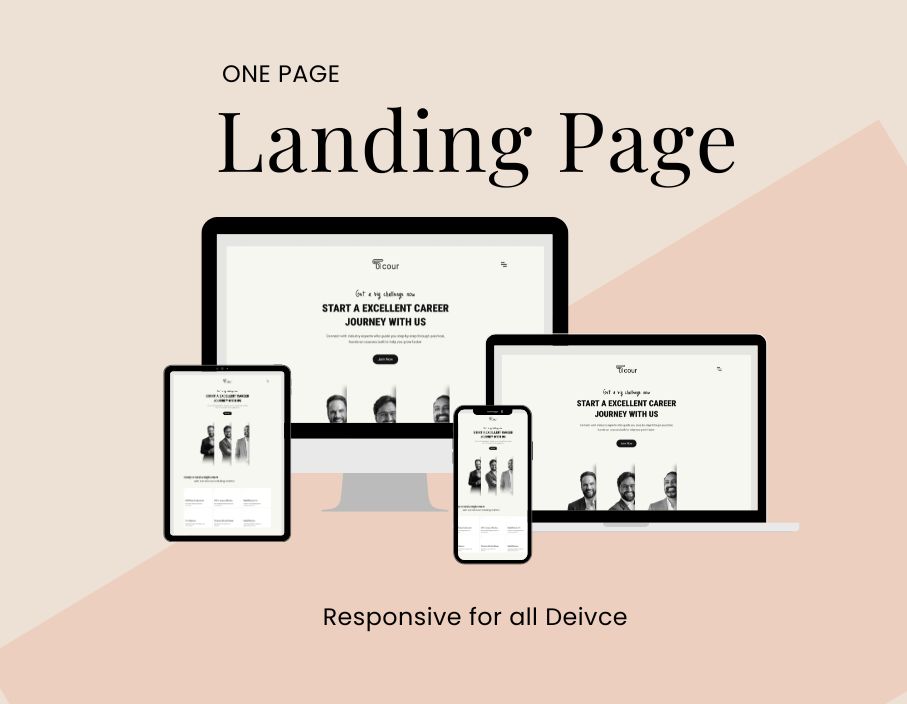
High-Conversion Landing Page Designs for 2026 Growth
Harry's is by no indicates the only newcomer to rise to the top of their market by providing a subscription service, either. This has actually ended up being a staple method in the digital age, one that has improved industries throughout the spectrum and it all focuses on the concept of catching new consumers and keeping them.
[target2:anchor_exact1]Central to Harry's development marketing technique is the quality of its shaving items - a key selling point both for brand-new and repeat customers. Harry's makes it challenging for industry giants like Gillette to remain competitive by using quality products for economical costs in a market that traditionally counts on high mark up products.
The business will need to increase sales among more youthful generations to remain relevant. The bright side for Harry's investors is that the company is currently making premises in the ladies's shaving market, which is promising for its long-term goal of shifting importance amongst younger generations across the board. There's still a lot of work for Harry's to do in regards to long-term market positioning but the business has put itself in an enviable position with its impressive development marketing strategies up until now.

Latest Posts

Advanced PPC Strategies to Cut Costs

Cutting Ad Spend Through Modern CRO
Optimizing Display Ads Performance for US Markets